Production Plan — Spring 2026
THE U: MIAMI
A production blueprint for capturing unscripted micro drama at the University of Miami — where Greek life politics, microinfluencer feuds, and real friendships collide in ~90-second vertical episodes.
A production blueprint for capturing unscripted micro drama at the University of Miami — where Greek life politics, microinfluencer feuds, and real friendships collide in ~90-second vertical episodes.
The U is not a polished reality show with a camera crew following talent around. It's an addictive, loop-driven narrative — shot on phones by both embedded crew and the cast themselves — designed for the platforms where digital natives live.
Shot on iPhone 17 Pro by crew — and on cast members' own phones when they're alone. Both sources combine with screen records into a unified aesthetic that feels born on social.
Every chapter is driven by a single question about our characters that the audience is waiting to see resolved. We keep watching to return to a will-she-or-won’t-she dramatic question as the stakes build.
TikToks, DMs, YikYak posts, and Instagram stories aren't just referenced — they're primary source material. Screen recordings, text threads, and notification sounds are woven into the narrative fabric.
The U borrows the structural DNA of scripted micro drama — and applies it to real stories, real people, and real conflict unfolding in real time.
A chapter is a group of episodes that focus on one cast member, making them the protagonist for that stretch of the series. Every chapter is built around a core expectation — a single dramatic question the audience is waiting to see answered. Will Georgia find a way to like U Miami?
Within each chapter are mini-chapters — smaller arcs that track a specific lane of the character’s life: sorority politics, a romantic entanglement, family pressure. Each mini-chapter escalates through a sequence of scenes.
Scenes play out across episodes, building pressure on the core expectation — and driving our addictive need to see what happens next.
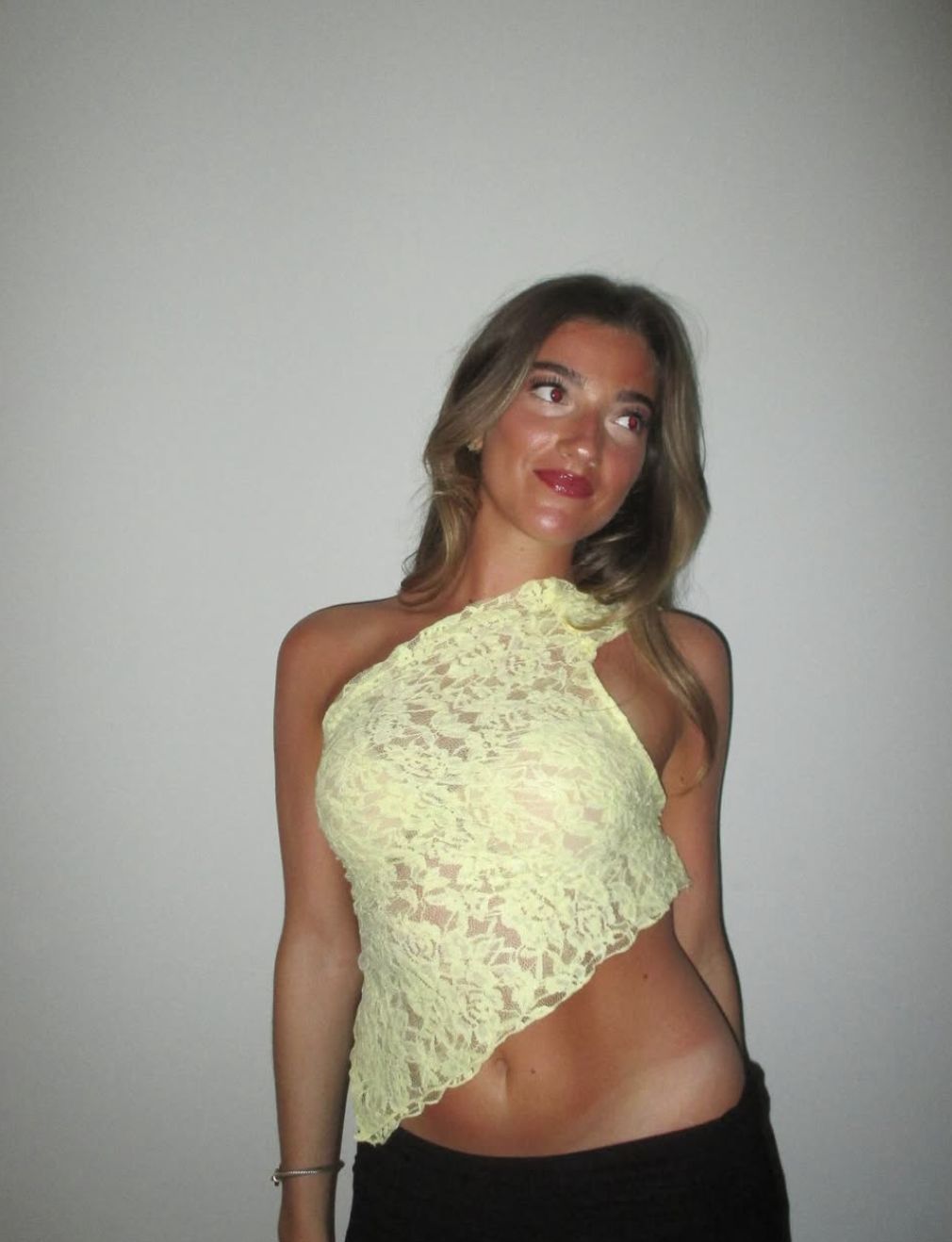
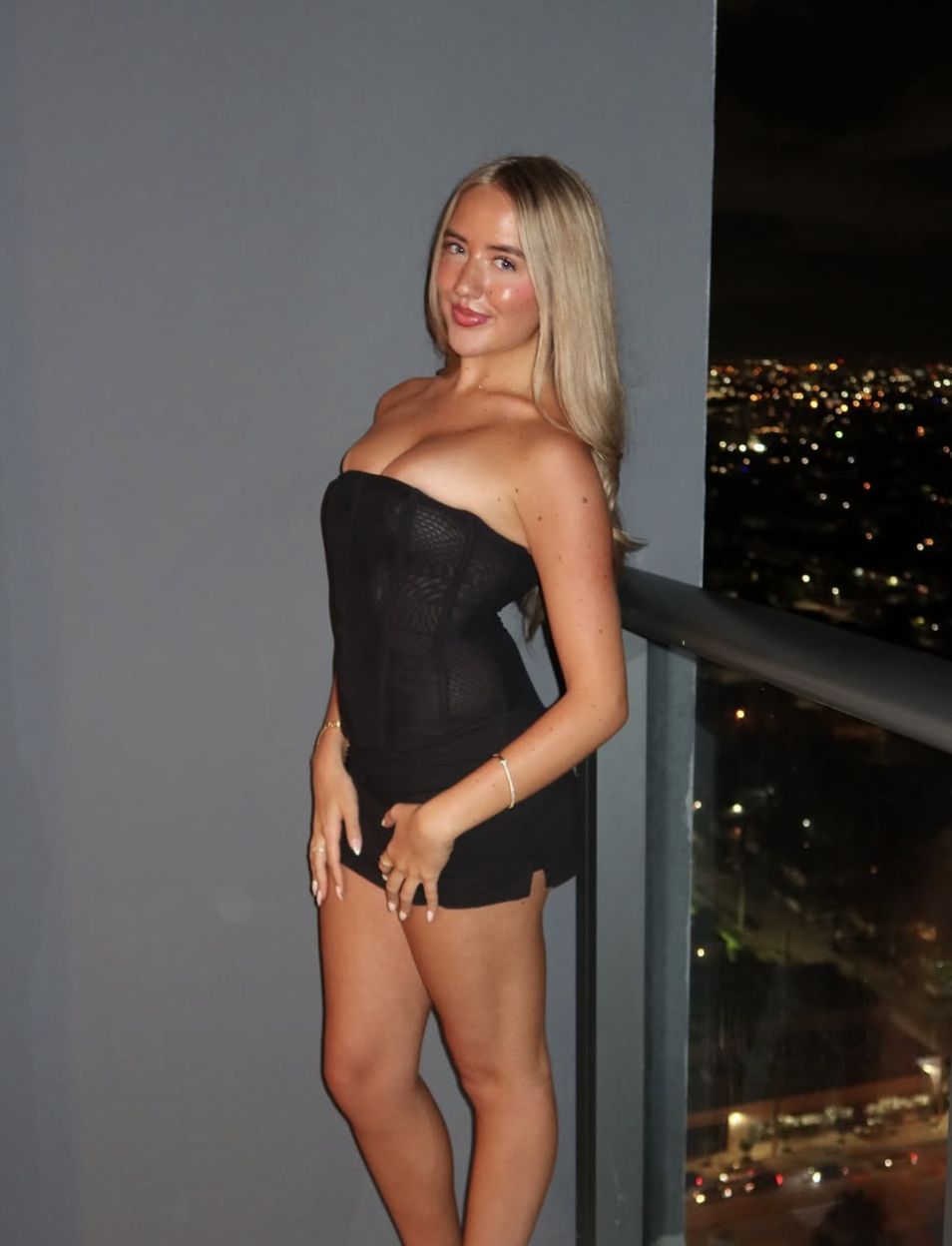
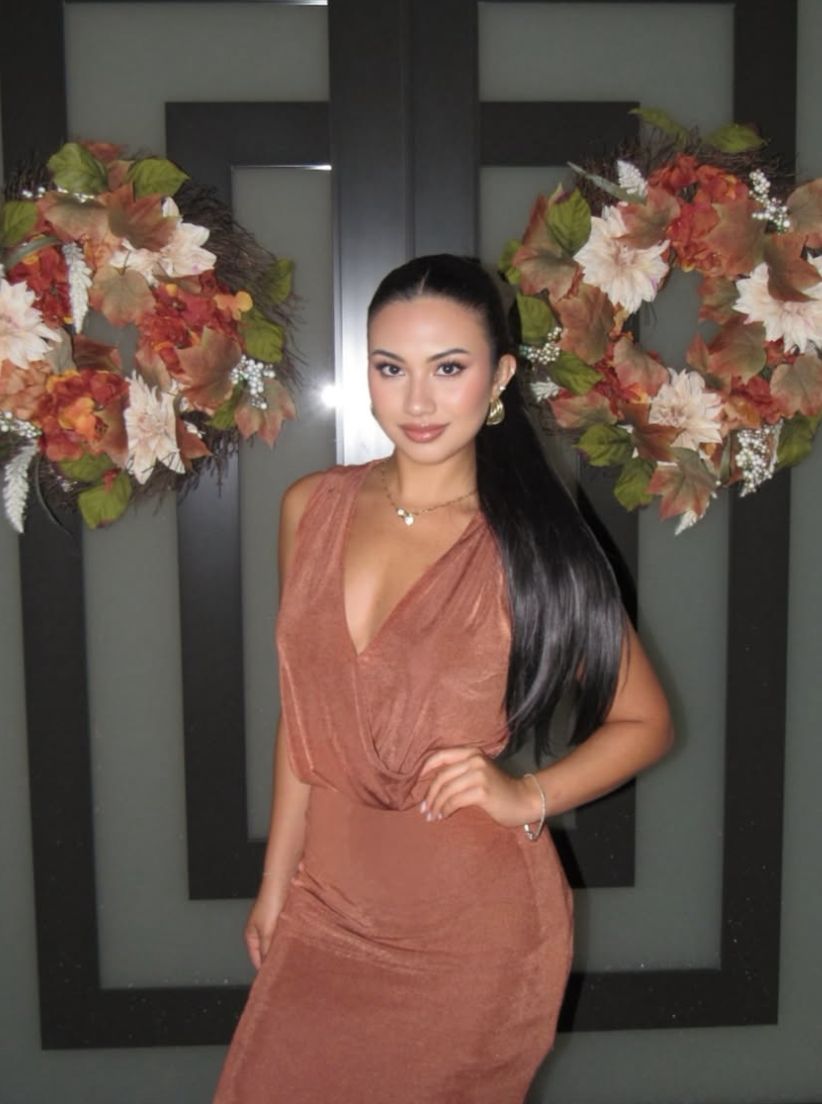
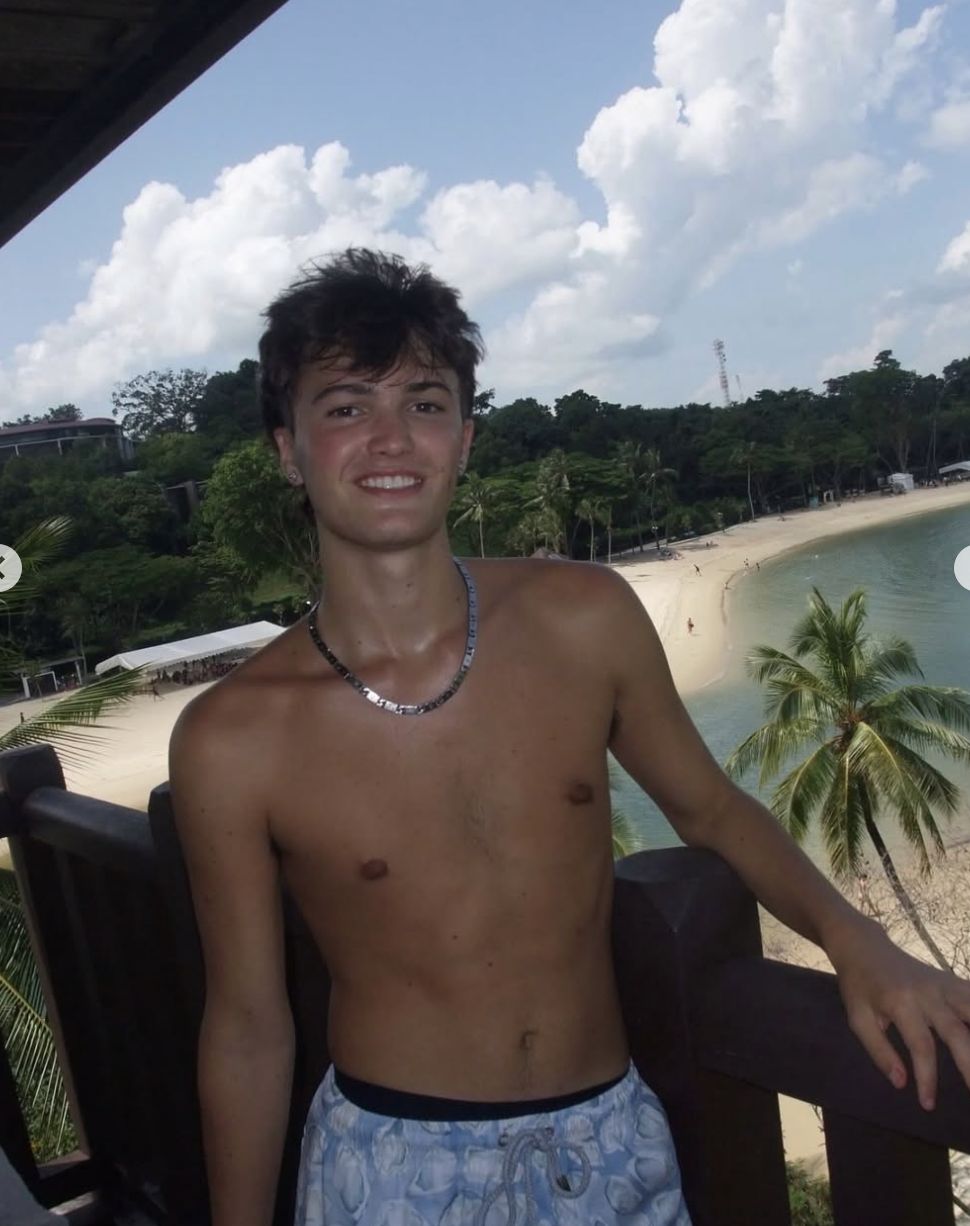
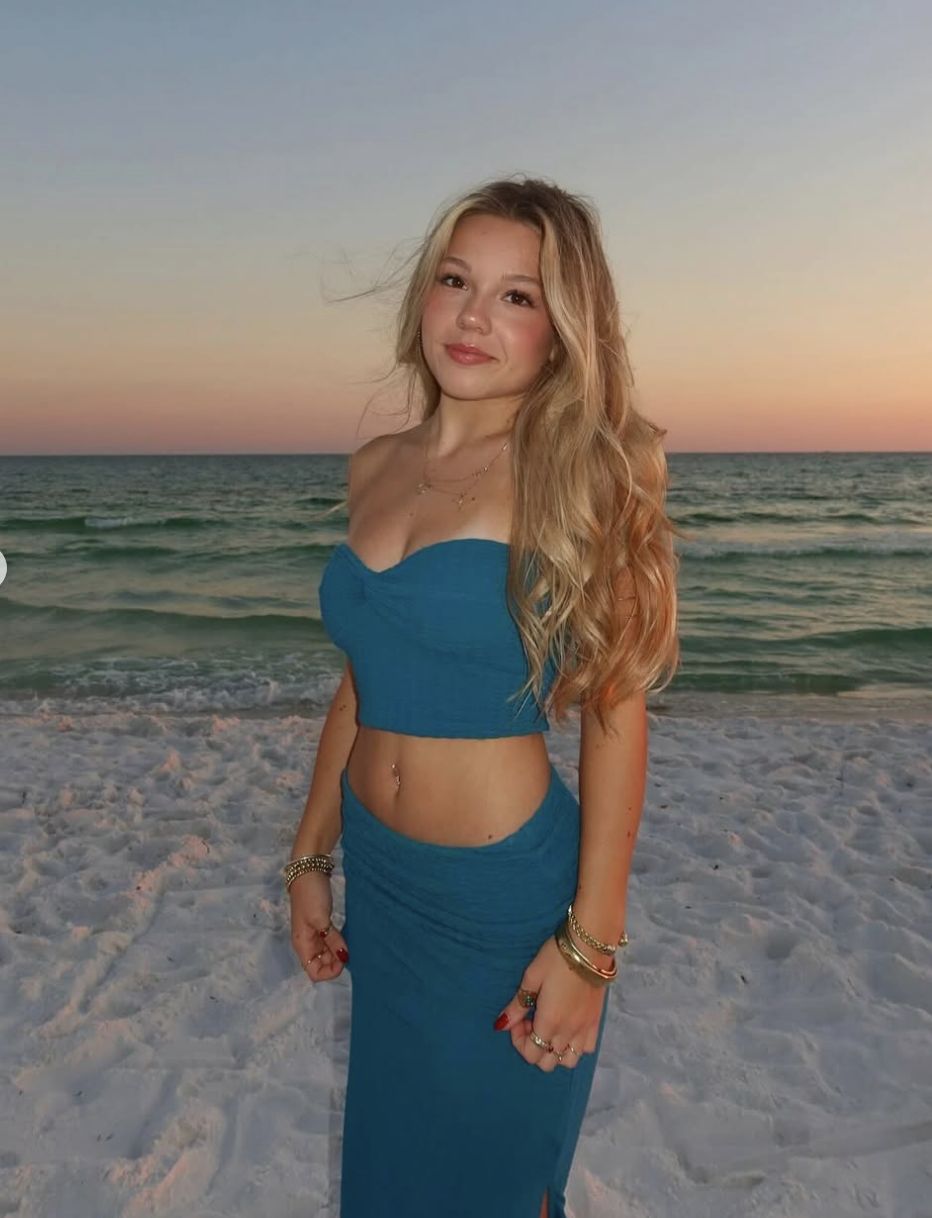
Georgia is having a bad time at UM and has convinced herself that she’s too good for everyone around her as a psychological defense. Will Georgia find a way to like U Miami?
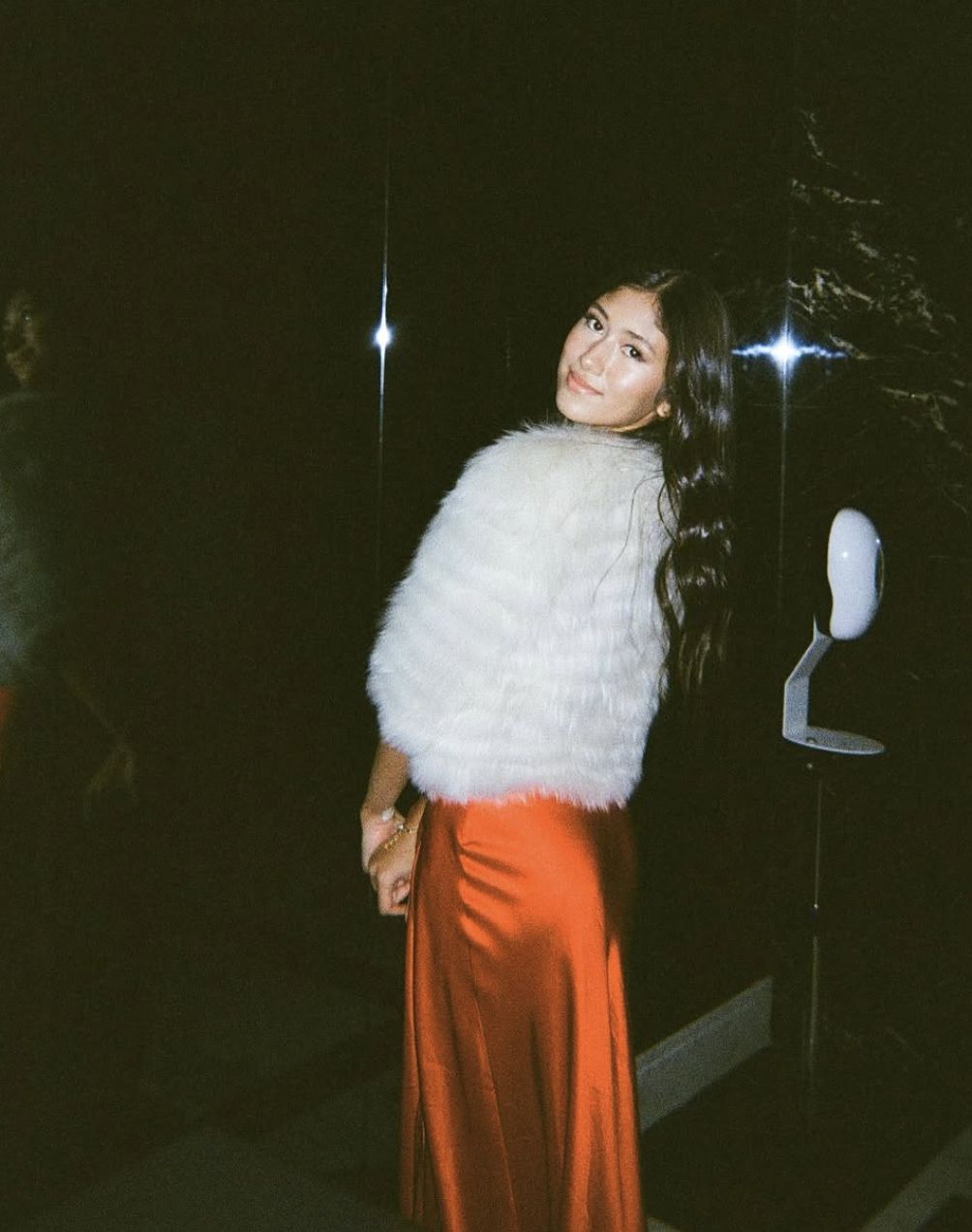
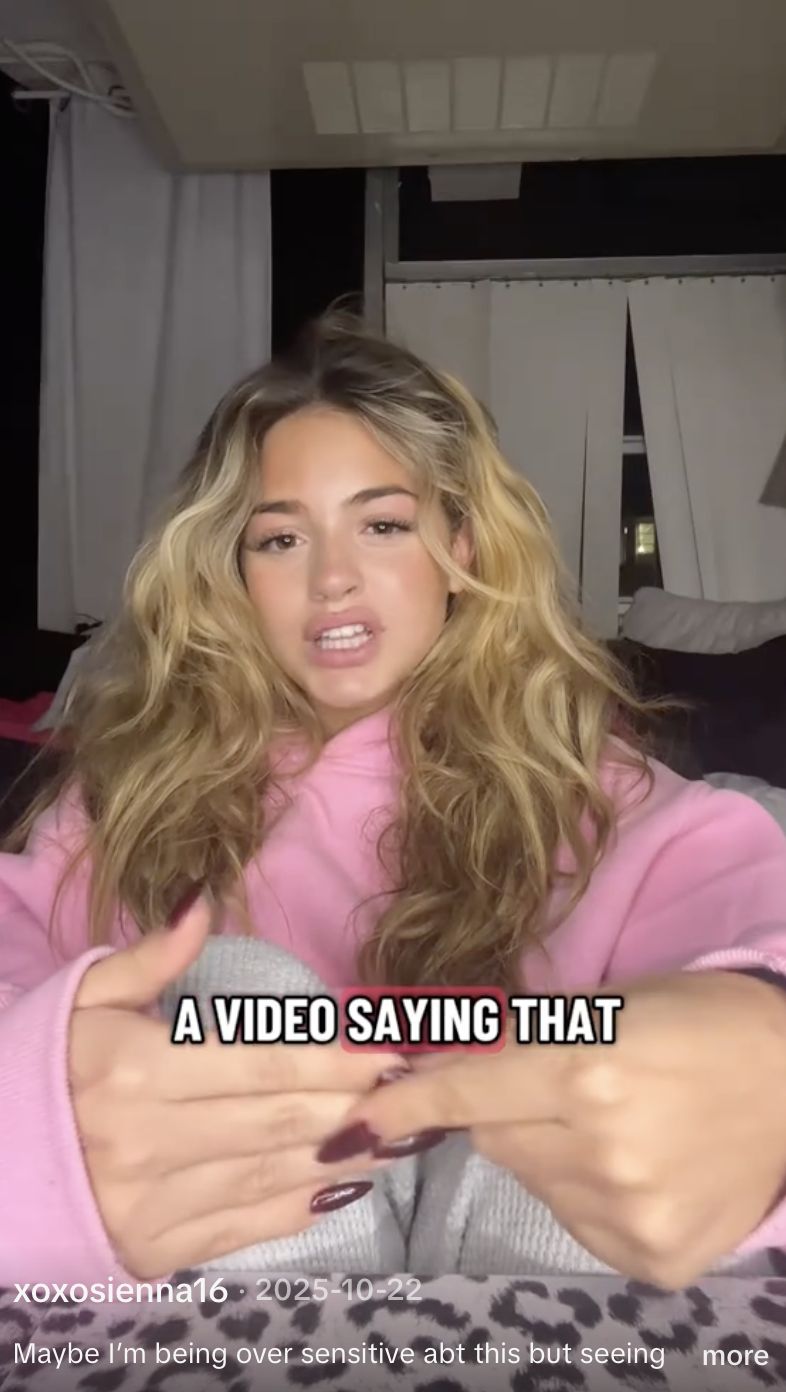
Nikki is determined to stay true to her brand, despite the hot water it has gotten her in. Dubbed the “People’s Princess,” she is known for her messy appearance, unfiltered content, and controversial posts. From viral microinfluencer beef to a sorority rush crash out, she is always being talked about online. But, recently, she has started to feel like an animal in a zoo every time she walks around campus. Nikki’s enemy Sienna’s overwhelming confidence is mostly a facade. Beneath it, she’s rattled by everything that happened first semester. Despite publicly claiming she’s keeping her distance from other influencers, she’s texting Colette to ask if they’ll film together, checking her name on YikYak daily, and even filing a restraining order against Nikki. Can Sienna and Nikki squash their beef? Will Sienna ever be able to ditch her bad reputation and become the influencer she’s always wanted to be? Is she able to form true relationships, or will people always see her as a characture of herself?
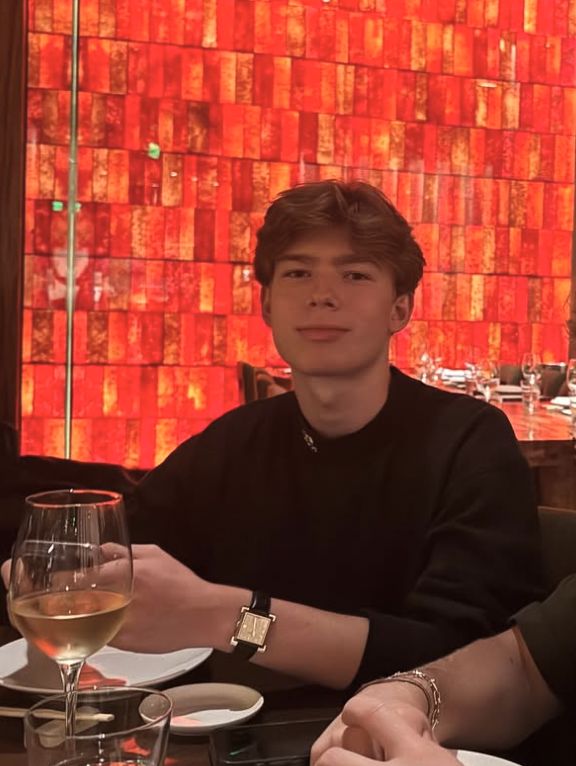
Khari is always looking to build his brand, have the coolest outfits, and hook up with the hottest girls. He constantly has a roster going with at least four women, and he’s always looking to add. But some think that his obsession with his roster comes from a place of insecurity. After all, he’s getting sick of living in his best friend Edward’s shadow. Edward is at the center of every social decision without even trying to be (who gets shackled with whom, who gets into parties). Call it pretty privilege or lucky boy syndrome, but things just tend to land in his lap. As one of the few U Miami frat bros over the height of 5-foot-9, he feels like he has the pick of the litter when it comes to women. Like Khari, he runs a roster of girls, but he’s worse at juggling them. Is Edward’s luck finally going to run up? Will Khari’s obsession with his own appearance be his downfall?
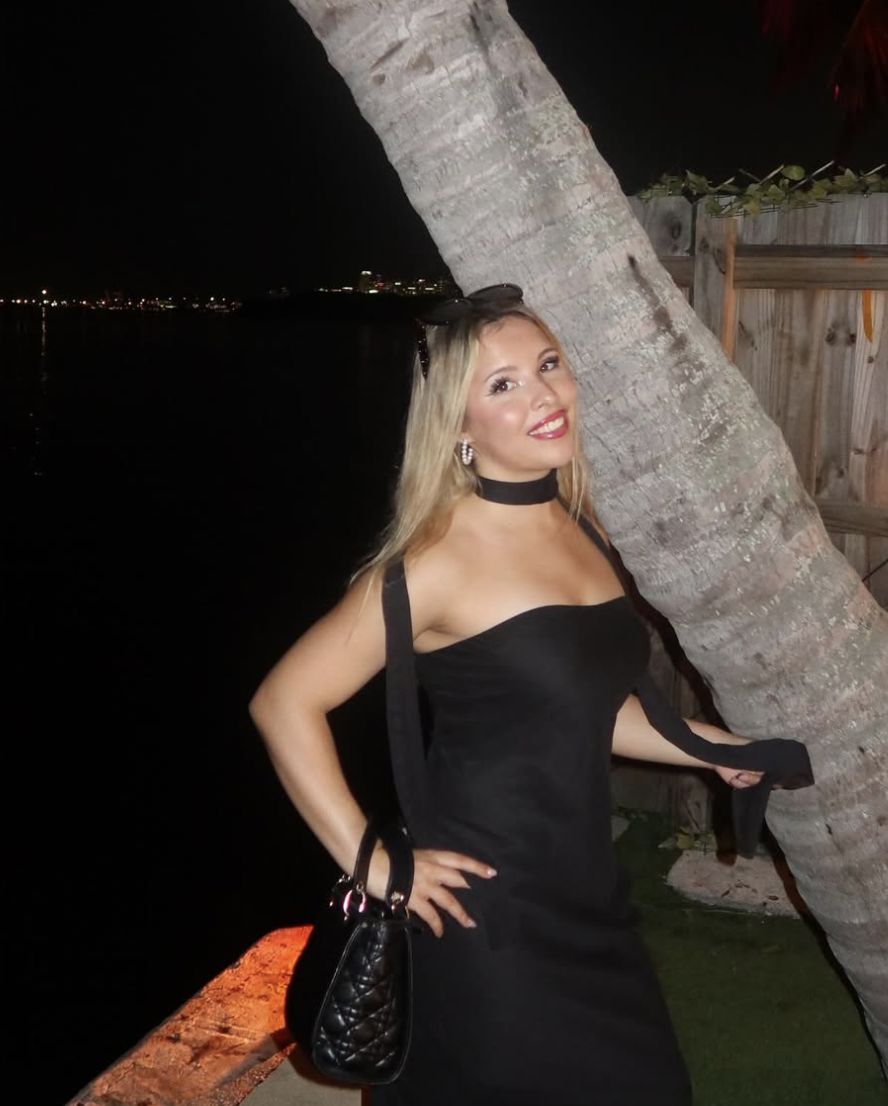
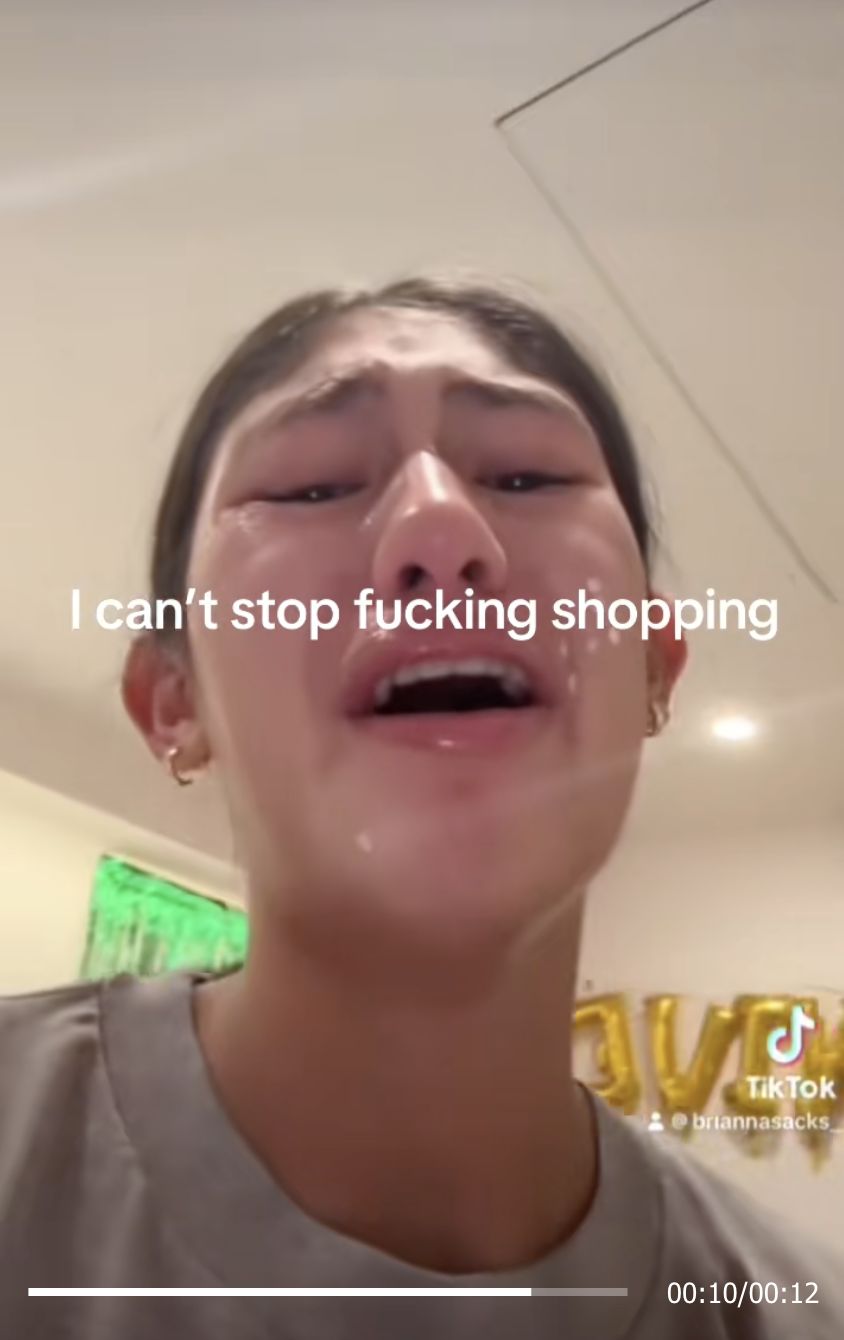
Brianna is a campus celeb known for being unapologetically herself, boasting how much money she has, and trolling everyone on campus. While she has tons of fans on TikTok, she is a particularly polarizing character at U Miami. If she loves you, she’s your ride or die. But if she hates you… you better watch out. She says it’s just her being authentic, but her unfiltered personality often lands her in trouble. And she’s nothing without her best friends, Nina and Gabby. Nina is known for being the hottest girl on campus, which was fun for a while, but now she’s starting to feel like everyone is just using her. Is Brianna ever going to be humbled? Can Nina prove that there’s more to her than her looks?
Each episode is a self-contained micro story designed for the scroll. Composed natively in 9:16. Optimized for phone speakers, phone screens, and the three-second attention span of a TikTok-trained audience.
Each primary character group gets their own dedicated shooter/producer — someone who builds a real relationship with their subject, knows their story, and is embedded in their world. They shoot the events and coach cast on what to self-capture before and after.
Everything fits in a backpack. The entire production package is designed to move fast, set up in under 2 minutes, and disappear.
Off-campus apartments and bars are the primary venues — on-campus and dorm filming requires university permissions, so those spaces are cast self-shot only. Crew will not enter sorority or fraternity houses; all Greek-house footage is cast self-shot.
Every shoot day covers one side of a storyline loop. We map the conflict in advance, embed crew at the event, and let the cast film themselves before and after. We know what we're looking for — we just don't control what the cast does with it.
Before each shoot day, identify which storyline loop is hottest and which perspective to cover (from cast Zoom check-ins and social media monitoring). Each episode = one side of a two-person conflict. Assign crew to that cast member's world for the night.
All cameras held or rigged vertically. Compose for the phone screen from the start — never shoot horizontal and crop.
Our crew seeks the reaction while cast phones record POV. Reaction shots will drive the narrative — fodder for returning to key confrontations again and again in the loop structure with commentary and shifting perspective.
Cast films themselves getting ready (pre-event) and debriefing afterward (post-event) on their own phones. Eye-to-lens, FaceTime intimacy. Crew covers the event itself. This three-act rhythm — setup, event, aftermath — is the narrative spine.
When storyline beats play out on social media (TikToks, DMs, YikYak posts), capture screen recordings simultaneously. These become primary narrative material — not just B-roll, but the actual medium through which drama unfolds.
Each shoot day ends with the lead producer reviewing footage — both crew-shot and cast self-shot — and logging moments against the storyline map. Identifies hooks (what opens the episode) and cliffhangers (what closes it) while the material is fresh. Cast should begin self-filming now, before crew arrives, to build comfort on camera and generate usable pre-production content.
Zoom conversations with all 13 cast members to map spring semester storylines. Soft script development. Story Map + Cast Map buildout for 2/26 presentation. Casting tape pickups completed (Georgia, Colette, Khari, Edward, Katerina, Peter). Cast begins self-filming on personal phones — building comfort on camera and generating pre-production content. Character profiles prepared for Peacock.
In ProgressFull presentation to Peacock and Bravo. Showcase Story Map, Cast Map, production plan, and spring shooting strategy. Secure greenlight for production block.
Key MilestoneHire 1–3 local shooter/producers (UM film program outreach). Finalize equipment package. Secure appearance releases for all cast (Ana/BA coordinating). Test shoot at a real campus event (e.g., SAE Shackles party) to calibrate crew workflow, cast self-filming pipeline, and loop-driven perspective approach.
UpcomingConcentrated filming in April after spring break (late March — cast scattered: Cabo, Casa de Campo, Bahamas). One perspective per episode: each shoot day follows one side of a storyline loop. Key events: Shackles party, Ultra Music Festival, Greek formals, pregames. Target: raw material for 40–60 episodes across all loops.
ProductionAssembly-line editorial process: rough assembly, fine cut, sound design, color grade, captions in batch passes. A/B testing variants of cold opens and cliffhangers. First episode deliveries to Peacock. 50 episodes in pipeline.
PostLift social media embargo. Cast activation on personal accounts. Hook clips deployed to TikTok, Instagram Reels, YouTube Shorts. First loops live on Peacock. Cross-promotion with Love Island audience.
Launch